
Metal Planters Nottingham
Bespoke Garden Planters & Window Boxes Combining Steel or Aluminium with Wood or Composite
Garden Planters
Nottingham Metalworks handcrafts bespoke metal planters for gardens, patios, and entrances across Nottingham and Nottinghamshire. Our custom-built planters combine robust steel or aluminium frames with quality timber or composite panels, creating weather-resistant containers that enhance outdoor spaces with beautiful planting whilst lasting decades through constant exposure to moisture and soil.
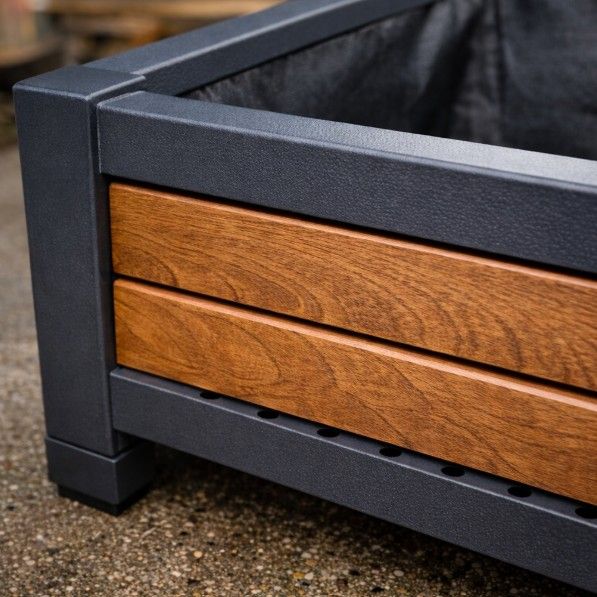
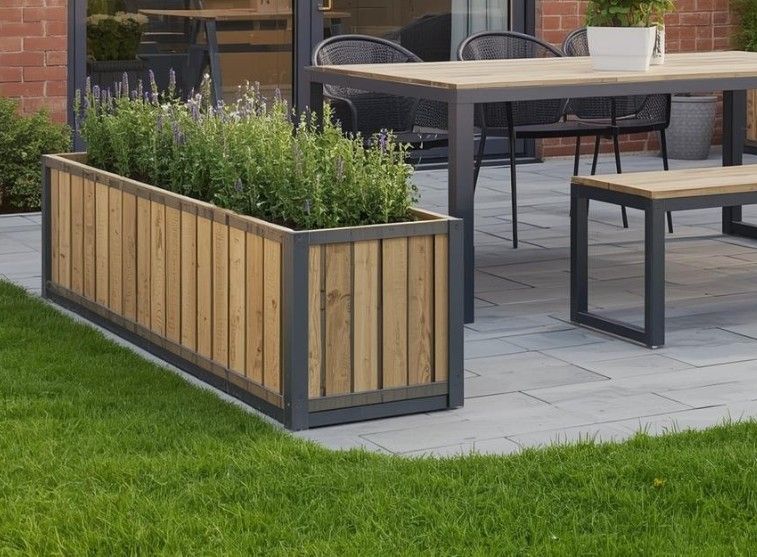
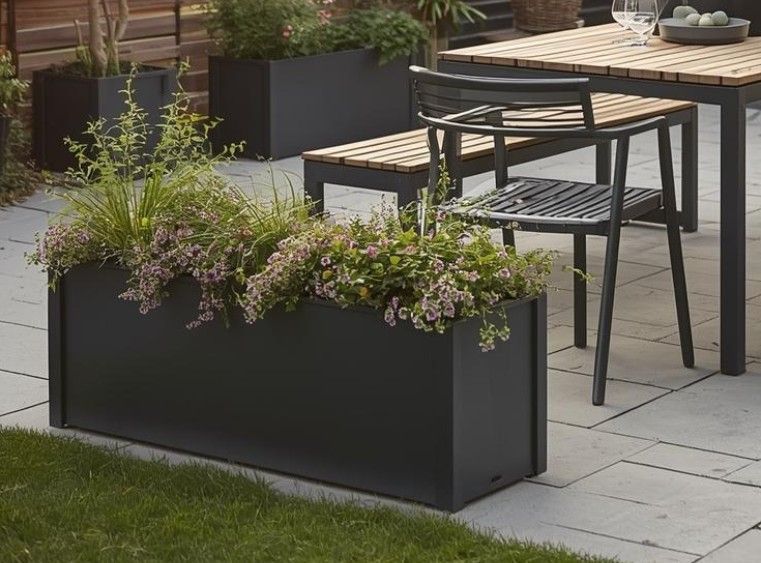
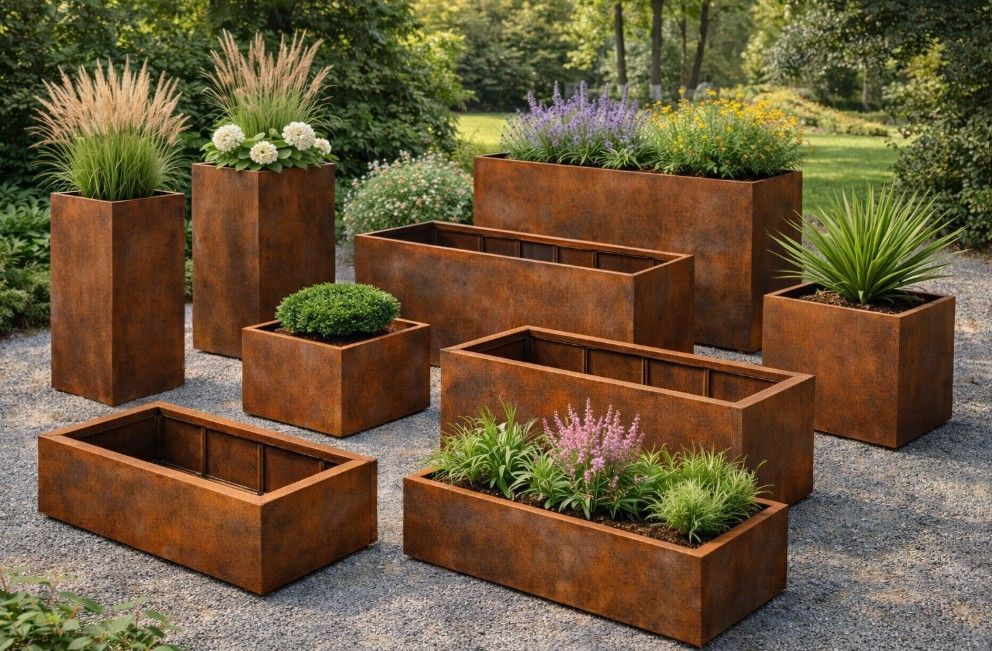
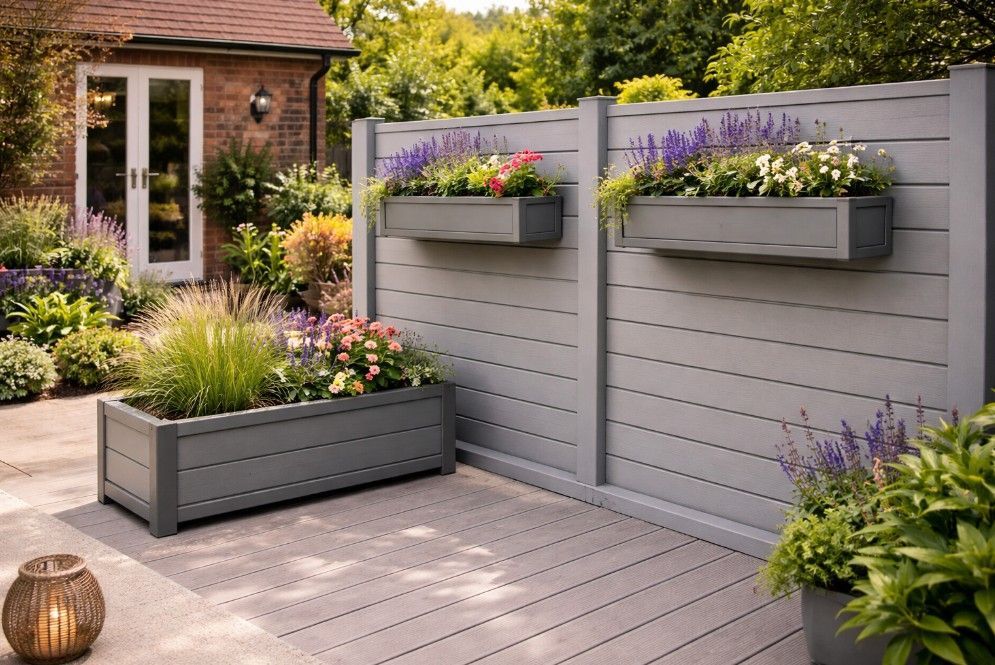
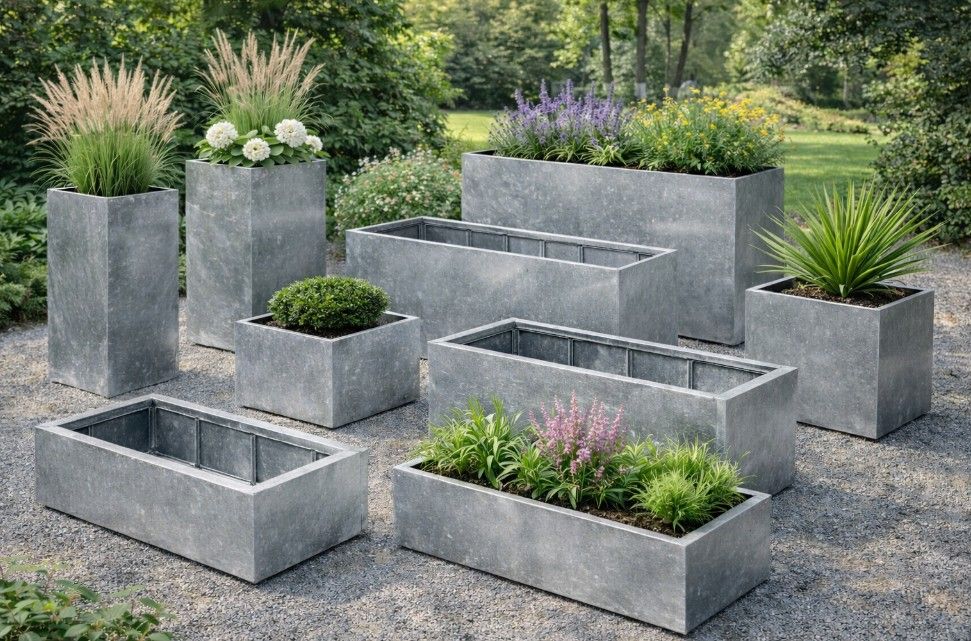
Handcrafted Metal Planters for Beautiful Gardens
Garden planters provide essential flexibility for garden design—adding height and structure, introducing seasonal colour, creating focal points, defining spaces, and enabling gardening where ground conditions are poor. Yet mass-produced planters consistently disappoint: thin materials buckle under soil weight, plastic degrades in UV light becoming brittle, cheap metal rusts through within seasons, and ubiquitous designs offer no character or quality.
At Nottingham Metalworks, we fabricate bespoke metal planters combining engineering-grade construction with beautiful materials suited to constant outdoor exposure. Robust steel or aluminium frames provide permanent structural integrity—planters that withstand soil weight, watering cycles, and frost heaving without deteriorating. Timber slats or composite panels create attractive planter bodies whilst permitting essential drainage. The result is planters that become better with age, developing character whilst remaining structurally sound season after season.
Our metal planters suit diverse garden applications. Entrance planters flank doorways creating welcoming arrivals. Patio trough planters define outdoor living areas whilst providing planted privacy or screening. Window boxes add colour to building façades. Raised planters enable accessible gardening. Feature planters create focal points in borders or on patios. Every planter is fabricated to your specifications—sized for your space, styled for your aesthetic, and built to withstand British weather whilst supporting healthy plant growth.
The combination of metal frames with natural or composite materials offers practical advantages beyond aesthetics. Metal frames won't rot despite constant moisture—the primary failure of timber planters. Elevated construction and slatted sides provide drainage preventing waterlogging. Robust frames support substantial soil volumes without sagging or distorting. And modular construction means planters can be moved when empty (despite substantial size) or disassembled if relocation requires.
We create metal planters for Nottingham gardeners and homeowners who value quality construction, appreciate bespoke design, want planters coordinating with
outdoor garden furniture or
decorative screening, and prefer investing in permanent garden features rather than repeatedly replacing failed containers. Our planters become integral garden elements—providing structure through winters, hosting seasonal displays, and anchoring garden designs for decades.
PLANTER TYPES & APPLICATIONS
Metal Planters for Every Garden Purpose
Entrance & Statement Planters
Tall planters flanking doorways create impressive entrance features establishing property character from arrival. We fabricate statement planters from 600mm through to 1200mm height in square, rectangular, or cylindrical forms. Substantial proportions (typically 0115 647 6611mm width) accommodate architectural planting - topiary, structural evergreens, or seasonal displays creating year-round interest. Entrance planters prove particularly valuable for properties lacking border planting - instant garden presence without ground preparation. Many clients commission matching pairs for symmetrical entrance arrangements, creating formal, welcoming arrivals.
Patio Trough Planters
Long, low trough planters define patio edges, screen views, or create planted boundaries between spaces. We create troughs from 800mm through to 2000+ metres length, with typical depths of 0115 647 6611mm providing generous root volume. Trough planters suit herbs for outdoor kitchens, trailing plants creating cascades over patio edges, ornamental grasses screening neighbours, and seasonal bedding displays. Positioned on patio perimeters, troughs create subtle boundaries without solid screening, maintaining airflow and light whilst adding planted interest. Trough planters coordinate beautifully with garden tables and benches, creating cohesive outdoor schemes.
Window Boxes
Traditional window boxes add colour to building façades whilst maintaining historic property character. We fabricate window boxes to exact dimensions—crucial for proper fitting below windows where standard sizes rarely suit. Typical depths of 0115 647 6611mm accommodate seasonal planting - spring bulbs, summer bedding, winter evergreens. Metal construction withstands constant moisture better than timber window boxes rotting from interior condensation and exterior rain. Custom fabrication ensures window boxes integrate with property architecture, match existing railings or gates, and provide secure mounting appropriate to your window cills or façade.
Raised Planters & Accessible Gardening
Waist-height planters 0115 647 6611mm tall) enable accessible gardening without bending—valuable for older gardeners, those with mobility limitations, or anyone preferring comfortable growing conditions. Raised planters suit herb gardens near kitchens, vegetable growing on patios, and intensive planting in small gardens. The elevated position improves drainage (essential for many herbs), deters pests (slugs face vertical climb), and creates comfortable tending height. We design raised planters with appropriate depths (400mm+ for productive growing) supporting substantial soil volumes.
Feature & Decorative Planters
Garden focal points benefit from distinctive planters becoming sculptural elements. We create feature planters in varied forms—tall cylinders adding vertical emphasis, grouped planters in graduating sizes, bespoke shapes suited to specific locations, and coordinated collections creating planted compositions. Feature planters often remain positioned year-round, hosting permanent planting (specimen shrubs, architectural perennials) or seasonal rotation maintaining year-round interest. Custom fabrication accommodates unusual requirements—corner planters, triangular planters for tight spaces, or planters matching specific garden geometries.
MATERIALS & CONSTRUCTION
Premium Materials for Growing Conditions
Metal Frame Construction
Steel Frames
Robust steel sections (typically 30x30mm through 50x50mm depending on planter size) create permanent structural frames withstanding soil weight—even large planters with 100+ litres of wet compost. Steel frames are blast-cleaned and powder-coated in extensive colour ranges including charcoal grey for contemporary aesthetics, bronze tones complementing natural timber, sage or olive greens integrating with planting, and custom colours matching existing outdoor furniture or architectural metalwork. Powder coating provides corrosion protection despite constant moisture exposure from watering and condensation.
Corten Steel Planters
Corten steel planters have become increasingly popular in contemporary garden design, valued for their distinctive weathered appearance and exceptional durability. Also known as weathering steel, corten naturally develops a protective rust-coloured patina that stabilises over time, eliminating the need for painting or ongoing maintenance.
This self-protecting oxide layer makes corten steel planters ideal for year-round outdoor use. Unlike ordinary steel that continues to corrode, corten's surface oxidation actually shields the metal beneath, resulting in planters that can last for decades with minimal upkeep. The warm, earthy tones of weathered corten complement both modern and traditional garden settings, creating striking focal points that mature beautifully over time.
We fabricate corten steel planters in various sizes and configurations, from compact raised beds to large commercial installations. The material's strength allows for clean, minimalist designs with relatively thin walls, while its natural finish means there's no painted surface to chip or peel. Corten planters are particularly well-suited to architectural planting schemes and contemporary landscaping projects where durability and low maintenance are priorities.
Galvanised Steel Planters
Galvanised steel planters offer a practical, cost-effective solution for both domestic and commercial planting applications. The galvanisation process involves coating steel with a protective layer of zinc, creating a durable barrier against rust and corrosion that significantly extends the planter's lifespan.
These planters are characterised by their bright, silvery finish when new, which weathers to a more subtle grey patina over time. Galvanised steel is notably lighter than many alternative materials while remaining robust enough for demanding outdoor environments. This combination makes galvanised planters easy to position and relocate when needed, without compromising on strength or weather resistance.
We make galvanised steel planters suitable for everything from kitchen gardens and allotments to retail displays and public realm projects. The material's neutral appearance works well across different design styles, and the zinc coating provides excellent protection even in exposed locations or coastal environments where salt spray might affect other materials. For projects requiring a more refined aesthetic, galvanised planters can also be powder-coated in a range of colours while maintaining the underlying corrosion protection.
Aluminium Frames
Lightweight aluminium suits planters requiring occasional repositioning—moved seasonally, rearranged for garden maintenance, or relocated following sun patterns. Aluminium planters weigh approximately 60% less than steel equivalents whilst supporting equivalent soil volumes. This reduced weight proves valuable for rooftop gardens, balconies with loading restrictions, or planters moved seasonally between storage and display positions. Aluminium's inherent corrosion resistance makes it ideal for coastal gardens where salt spray would attack steel despite coating.
Planter Body Materials
Timber Slats
Timber slat construction creates attractive planters with natural aesthetics. Horizontal slats (typically 0115 647 6611mm wide with 10-15mm gaps) provide drainage whilst retaining compost. Hardwoods like oak or iroko withstand constant moisture, whilst treated softwood offers economical alternatives. Slatted construction permits air circulation to roots—beneficial for plant health. Timber develops attractive patina through exposure, creating living finishes evolving with your garden.
Composite Panels
Wood-composite materials create maintenance-free planter bodies. Composite panels won't rot despite constant moisture, maintaining appearance indefinitely. Solid panels require drainage holes drilled at appropriate spacing. Composite's dimensional stability prevents warping or bowing under moisture cycling. Available in wood-effect finishes coordinating with you garden furniture or composite gates.
All-Metal Construction
Some designs use powder-coated metal panels forming planter bodies—particularly contemporary aesthetic or commercial applications. Metal panels require careful drainage provision and internal liners preventing soil contact. All-metal planters suit modern architectural contexts or situations requiring specific colours impossible with timber.
Internal Liners & Drainage
All planters incorporate drainage provision—gaps between timber slats, drilled holes in solid panels, or elevated bases allowing water escape. We typically recommend waterproof liners (plastic or rubber) between planter structure and compost, protecting timber from direct soil contact whilst permitting drainage through liner holes aligning with planter drainage. Elevated feet or bases ensure planters don't sit in water, preventing rot and providing airflow.
SIZING & CUSTOMISATION
Creating Planters for Your Space
Every garden differs—entrance widths vary, window dimensions are unique, patio configurations are individual. We fabricate planters to exact specifications ensuring perfect fitting and proportions. Small window boxes fit narrow sills, substantial entrance planters suit generous doorways, and custom troughs match patio dimensions precisely.
Design Customisation
Contemporary clean-lined designs feature simple geometries and minimal detailing. Traditional styles incorporate decorative brackets, panelled construction, or period-appropriate detailing. We can match planters to existing outdoor fixtures, or [garden furniture, creating cohesive schemes. Powder coating coordinates with architectural colours, existing metalwork, or planting palettes.
Planting Considerations
We discuss intended planting during design—shallow-rooted annuals versus deep-rooted shrubs determine depth requirements. Herb planters benefit from excellent drainage whilst moisture-loving plants suit deeper, less-draining configurations. Sun-loving plants may warrant lighter colours reflecting heat, whilst shade plants suit any finish. Understanding your planting intentions ensures planters support healthy growth.
WHY CHOOSE BESPOKE METAL PLANTERS
Permanent Quality for Plant Health
Mass-produced planters fail predictably: thin materials buckle under soil weight, plastic becomes brittle in UV, and cheap metal rusts through within seasons. Our bespoke metal planters provide robust frames lasting decades despite constant moisture, drainage ensuring healthy plant growth, and bespoke sizing fitting your spaces perfectly.
Quality planters transform gardens—providing structure through winter, enabling planting where ground conditions are poor, and becoming established garden features rather than disposable containers requiring constant replacement.
COMMISSIONING YOUR METAL PLANTERS
Creating Your Garden Planters
Commissioning bespoke metal planters begins with discussing your requirements—intended location and purpose, planting plans (annuals, perennials, edibles), dimensions and capacity, and material preferences. We'll suggest planter configurations suited to your applications, explain drainage and liner options, and provide detailed quotations.
For planters coordinating with existing features send photographs ensuring perfect matching. Site visits can assess entrance dimensions, window measurements, or patio configurations ensuring accurate fabrication.
Fabrication typically takes 2-3 weeks depending on complexity.
Metal Garden Planters in Nottingham
Ready to create bespoke garden planters?
Call: 0115 647 6611
Serving Nottingham, Nottinghamshire, and the East Midlands. Handcrafted metal planters combining steel or aluminium with timber or composite. Explore our outdoor metal furniture.
